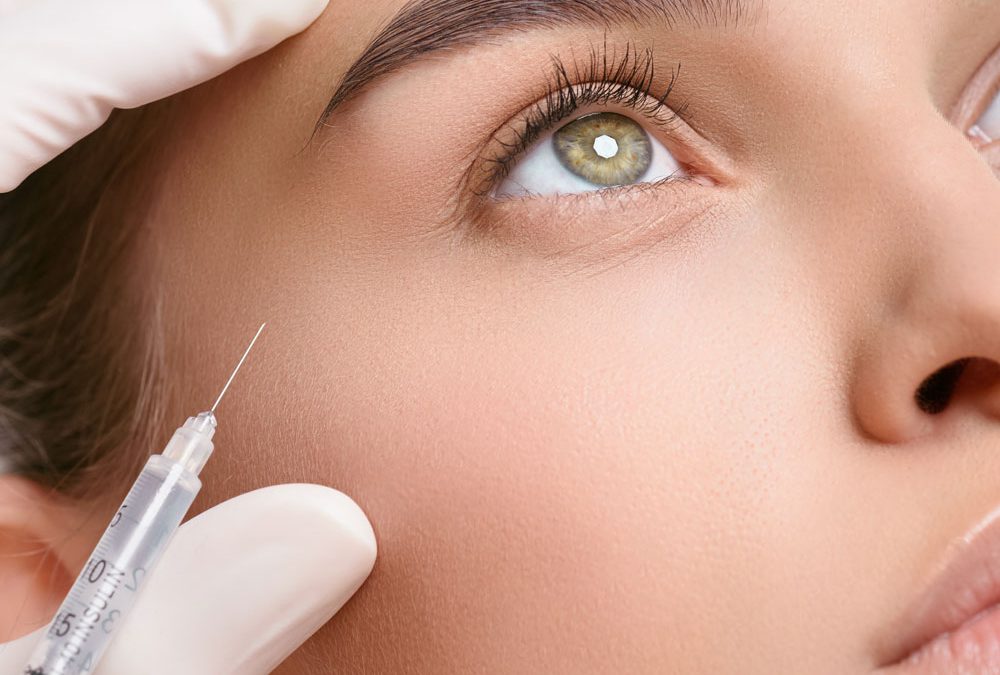
Dr. Johnson is pleased to announce that he is now offering Botox treatment at Walla Walla Periodontics and Implants. Why has Dr. Johnson decided to start doing this you may ask? Well, dentistry is a field that is continually evolving, integrating cutting-edge technologies and techniques to improve patient care. One such innovation is the use of Botox in dentistry, which continues to gain momentum.
Botox, a well-known cosmetic treatment, has found a new role in dentistry, offering a wide range of applications from aesthetic enhancements to therapeutic solutions. In the following paragraphs we’ll go deeper into specific questions in the world of Botox, exploring its uses, benefits, safety, and what it means for both dental practitioners and patients.
What is Botox?
Botox is short for Botulinum Toxin. It is a neurotoxin produced by the bacterium Clostridium botulinum and is most commonly associated with its use in cosmetic procedures, where it temporarily reduces the appearance of wrinkles and facial lines by paralyzing muscles. Botox works by blocking the release of a neurotransmitter called acetylcholine, which controls muscle contractions.
How does Botox Work?
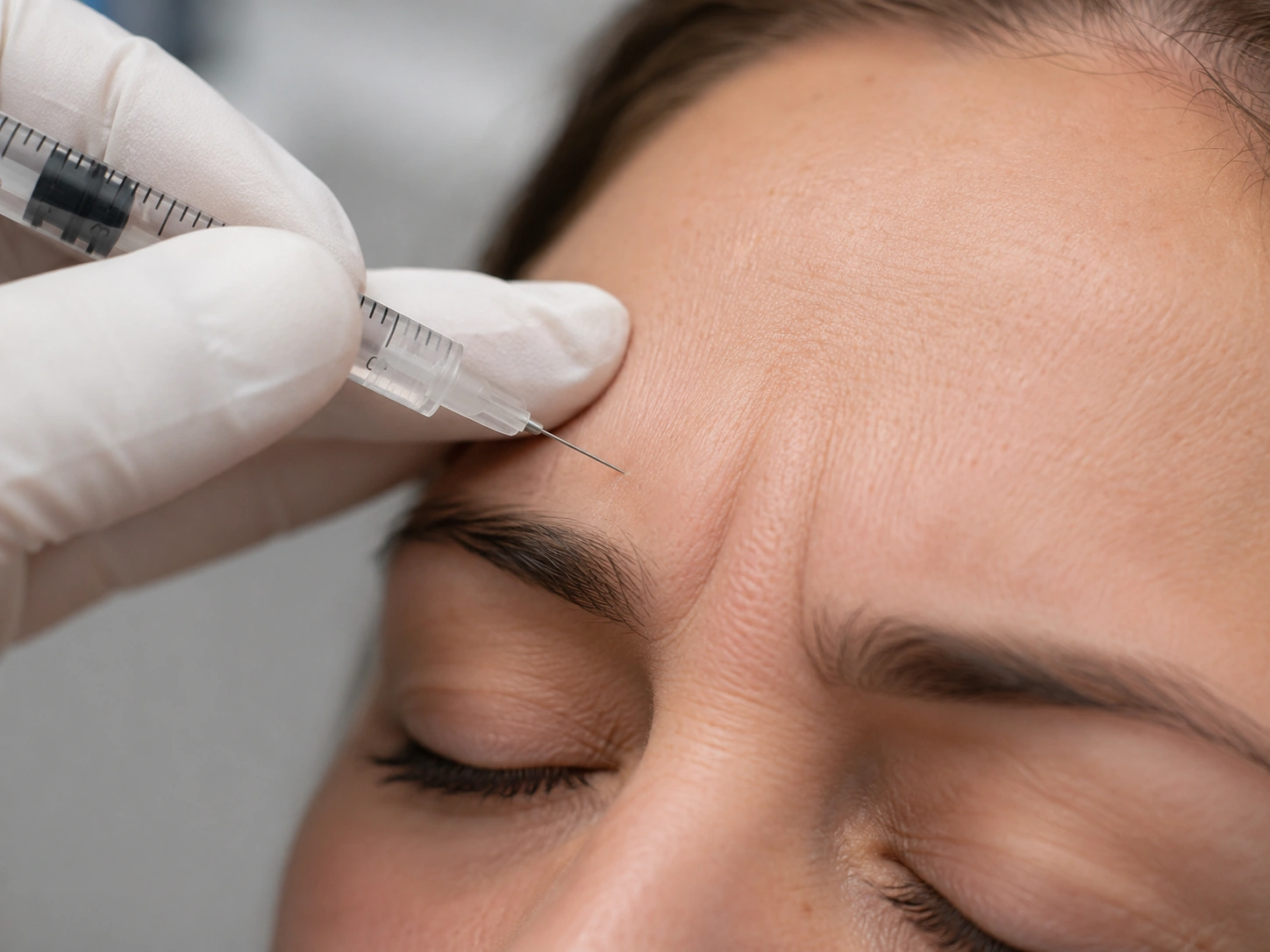
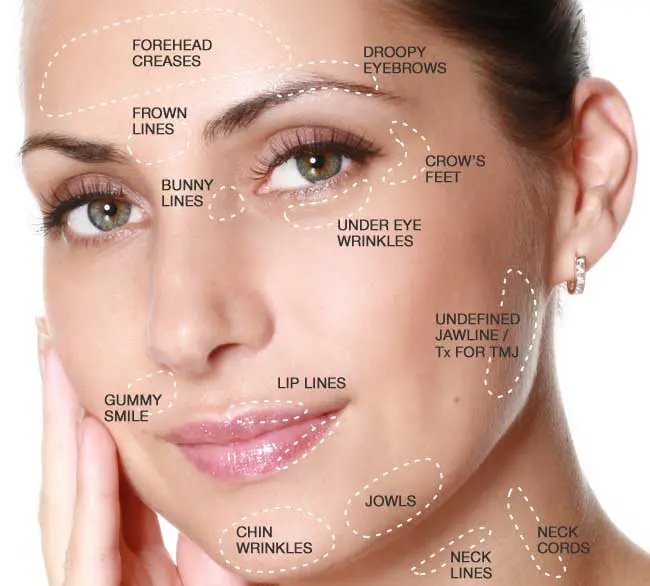
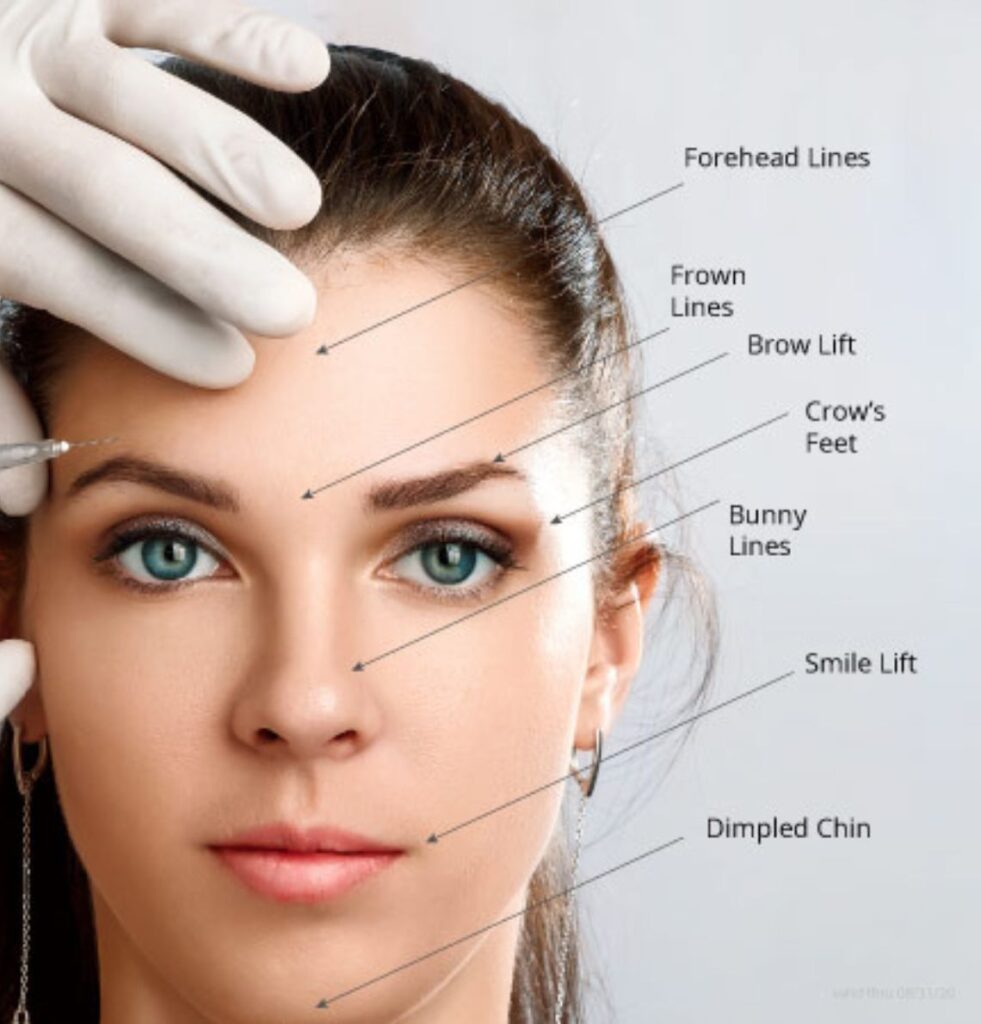
In cosmetic procedures, Botox is injected into specific facial muscles, causing them to relax and reduce the appearance of wrinkles. These effects are temporary, typically lasting around three to four months, after which the muscle activity gradually returns to normal.
Botox in Dentistry
As more and more dentists seek to provide quality treatments to patients, dentists have found innovative ways to use Botox, and it has become a valuable tool in the dental industry, expanding its role from cosmetic enhancements to therapeutic applications.
1. Cosmetic Dentistry
Treatment of Gummy Smiles
Gummy smiles, where a significant portion of the gums is exposed when a person smiles, can be a concern for many patients. Botox can be used to relax the upper lip muscles, reducing gum exposure and creating a more aesthetically pleasing smile. Of course, this as mentioned previously is only temporary. Surgical intervention such as esthetic crown lengthening or even jaw surgery are more permanent solutions.
Wrinkle Reduction
Dentists incorporate Botox into their cosmetic dental procedures to complement other treatments such as teeth whitening, veneers, or orthodontic work. This helps patients achieve a more youthful and rejuvenated appearance.
2. Therapeutic Dentistry
While cosmetic dentistry certainly has its place in the industry, perhaps even more exciting are the therapeutic applications where patients can experience relief from some of the following dental issues:
Temporomandibular Joint Disorder (TMJ)
The temporomandibular joint (TMJ) is responsible for jaw movement. TMJ Disorders can cause pain, discomfort, and limited jaw function. Botox injections into the jaw muscles can help relax them, reducing pain and tension associated with TMJ disorders.
Teeth Grinding and Clenching
Teeth grinding or clenching, can lead to various dental issues, including tooth wear and jaw pain. Botox injections into the masseter muscles can help relax them, reducing the intensity of teeth grinding and alleviating associated symptoms. As mentioned previously, however, a more permanent solution to this problem are occlusal adjustment of a patient’s bite along with the use of a hard night guard.
Migraine and Tension Headache Relief
Chronic headaches are often linked to muscle tension. Dentists are increasingly using Botox to alleviate migraine and tension headaches by targeting the muscles responsible for these conditions.
Dr. Johnson believes that although Botox can temporarily aid in some of these therapeutic uses, it is better to use a more permanent and long-term approach to these conditions.
Botox Benefits in Dentistry
1. Minimally Invasive
Botox treatments are non-surgical and minimally invasive. This means less downtime and reduced discomfort for patients, making it an attractive option for those seeking dental and facial enhancements.
2. Targeted Treatment
Botox allows for precise targeting of specific muscles or areas, ensuring that only the necessary muscles are affected. This accuracy minimizes the risk of side effects.
3. Versatile Application
Dentists use Botox for both cosmetic and therapeutic purposes, allowing them to offer a broader range of services to their patients. But, as previously mentioned, Dr. Johnson prefers to use more permanent treatments for the therapeutic indications.
4. Quick Results
Patients typically see results within 7-14 days of Botox treatment, making it an efficient choice for those seeking immediate improvements in their dental and facial aesthetics.
5. Minimal Discomfort
The Botox injection process is relatively painless and well-tolerated by most patients. It is quick and usually requires no anesthesia.
Botox Safety in Dentistry
Botox, when administered by trained and qualified dental professionals, is considered safe. Here’s why:
FDA Approval
Botox is FDA-approved for both cosmetic and therapeutic applications. Its safety and efficacy have been thoroughly evaluated through clinical trials.
Professional Training
Dentists who use Botox in their practice undergo specialized training to ensure they are qualified to administer injections safely and effectively. Dentists in fact are allowed to administer Botox injections into areas of the mouth where other providers are not.
Controlled Dosage
Botox injections are given in precise, controlled dosages, minimizing the risk of overdose or adverse effects.
Minimal Side Effects
While some patients may experience minor side effects like swelling or bruising at the injection site, these are generally temporary and mild.
Frequently Asked Questions (FAQ)
Here are some of the most common questions patients ask when considering Botox:
Are Botox injections painful?
Botox injections are relatively painless and well-tolerated. Most patients experience only minor discomfort, and the procedure is usually quick.
How long do Botox results last?
Botox results typically last for three to four months. However, individual results may vary.
Can anyone receive Botox in a dental setting?
Botox treatments should only be administered by qualified and trained dental professionals who have the necessary certification and expertise. Some patients may not be good candidates and the doctor would let you know that at the initial consultation.
Are there any side effects of Botox?
While side effects are generally mild and temporary, some patients may experience minor bruising or swelling at the injection site.
Is Botox covered by dental insurance?
Botox treatments are typically considered cosmetic and usually NOT covered by dental insurance.